Tool bags are mainly divided into two categories: physical case-type tool bags and software tool bags. Their basic characteristics differ:
Core characteristics of physical case-type tool bags:
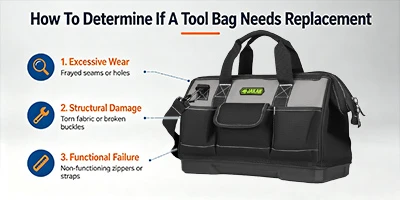
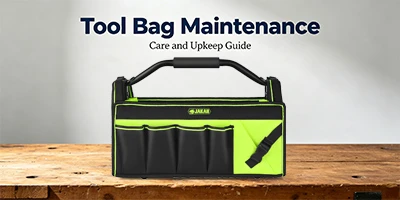
Dedicated Storage: The core function is to categorize and store various tools. The internal layout is scientifically divided, with each tool having a fixed location to reduce damage from collisions and facilitate quick and easy access.
Portability and Practicality: Most have shoulder straps, handles, and other portable features. Their sizes are adaptable to different scenarios, meeting the needs of outdoor work, mobile construction, and on-the-go carrying.
Material Adaptability: Different materials are used for different purposes. Electrical tool bags often use canvas/leather for insulation and wear resistance, while tool cases commonly use engineering plastics, galvanized steel, and aluminum alloys to balance lightweight and sturdiness.
Functional Expandability: Professional-grade tool bags have reserved extra space for adding new tools later. Some also feature external hanging slots for quick access to frequently used tools.
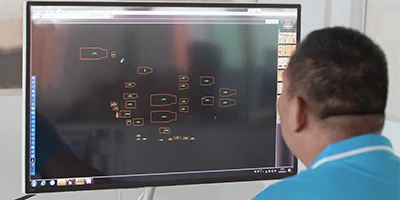
Basic Characteristics of Software Toolkits (Toolbox Software)
They run on an operating system and consist of multiple independent small tools;
All tools provide a unified user interface and have a unified data exchange method, enabling them to work collaboratively;
They are highly flexible, allowing users to add or remove tools according to their needs;
They offer comprehensive functionality, generally including tools needed for the entire coding and development process, and also support large-scale software development. They are highly versatile and are a common configuration in mainstream commercial systems.