Tool kit design should balance functionality and aesthetics, adhering to the principles of prioritizing functionality, integrating aesthetics, and adapting to different scenarios. This balance can be achieved through the following practical methods:
Define Design Positioning and Prioritize by Layer
First, clarify the core objectives based on the tool kit category:
Professional Operation Tool Kits (e.g., Power Emergency Repair Tool Kits): Prioritize practical functionality. Aesthetic design should serve to support functionality. For example, the Yunnan Yundian metering tool kit uses a striking bright yellow exterior, satisfying the functional requirement of safety identification while enhancing overall visual recognizability and aesthetics.
Everyday Consumer Tool Kits (e.g., Household Tool Sets): While ensuring basic functionality, aesthetic design can be appropriately enhanced, such as matching colors and textures to home décor to improve usability.
Integrate with Design Language, Avoid Over-Decoration
Integrate Redundant Decorations: Once functionality is achieved, integrate visual elements with a concise design language. Enhance the visual appeal through techniques such as lines, color proportions, and white space, avoiding redundant decorations that hinder functionality. For example, a hidden storage structure satisfies storage needs while maintaining a clean and simple appearance.
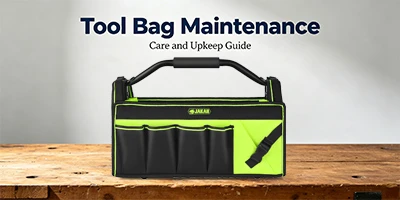
Aesthetic Design Adapting to Functionality: Optimize the aesthetics of the tool bag's structural features. For example, professional work tool bags use clear partition lines and eye-catching identification to beautify the interface while helping users quickly locate tools, balancing aesthetics and functional efficiency.
Choose Materials Balancing Performance and Texture
Physical tool bags can satisfy both functional and aesthetic needs through material selection:
Professional Outdoor Work Tool Bags: Utilize lightweight ABS+nylon composite materials, providing impact resistance, waterproofing, and wear resistance, while enhancing the overall appearance through material texture.
Consumer-Grade Tool Bags: Employ materials with fine texture and uniform gloss, ensuring durability while enhancing visual appeal. For example, fruit and vegetable tool bags use food-grade resin, balancing safety and a simple, aesthetically pleasing appearance.