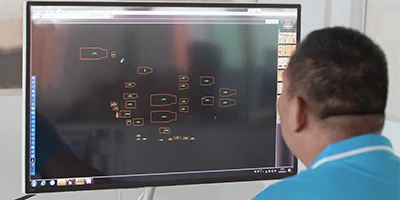
Modular Assembly and Puzzle Design Philosophy The core design logic of a complete toolkit is to divide tools into independent modules based on their function. For example, a home improvement toolkit might be divided into a power module (electric drill, etc.), a fastening module (screwdriver set, etc.), and a measuring module (measuring tape, level, etc.). Through standardized interface design, tools from different brands can be quickly combined. Typically, it includes 85% general-purpose tools and 15% special accessories to cover most scenario needs. This idea also applies to software toolkits. For example, Layout-Parser defines a unified interface through an abstract base class, supporting seamless switching between different deep learning models and improving the toolkit's scalability.
Scenario-Based Dynamic Adaptation Design
Toolkit design is tailored to specific use cases: Repair toolkits are customized to specific scenarios; for example, automotive repair kits include universal joint sockets for confined spaces, while electronics repair kits require anti-static tweezers. Big data analysis allows for precise tool allocation; for instance, electrician toolkits might include 30% insulating tools, and plumber toolkits 40% elbow-specific tools, ensuring each tool adapts to the specific needs of the scenario. Software toolkits follow the same principle. For example, requirements analysis toolkits cover various product scenarios such as new product initiation, existing feature iteration, and cross-departmental alignment, providing corresponding processes and templates.
Ergonomics and User Experience Optimization
The design of the physical tool kit strictly adheres to the ergonomic principles of hand tool design, with the core principle being to adapt the tool structure to human physiological characteristics:
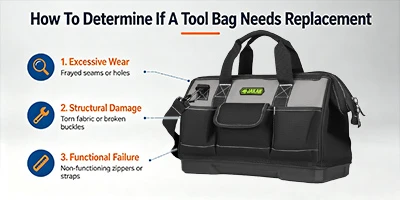
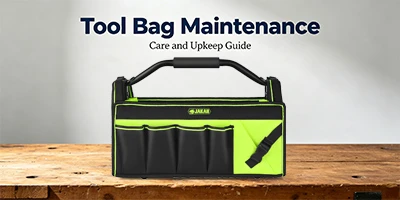
Storage Logic: High-frequency tools are placed in the outer quick-access area, precision tools are equipped with independent shockproof compartments, and the handle diameter is controlled within a range suitable for gripping;
Ergonomic Fit: The tool's center of gravity is aligned with the hand holding it, and the grip surface features an elastic, non-slip design to ensure the wrist maintains a natural force application posture, reducing fatigue and health risks during prolonged use;
Safety Design: Sharp parts are polished, rotating parts are equipped with protective guards, and electrical tools have added insulation layers, mitigating usage risks from a design perspective.