Physical Tool Boxes (Crates for storing physical tools)
This is the most common type of tool kit. Its core function is to store and protect tools, improving efficiency. Specific application scenarios include:
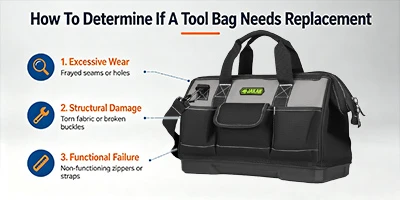
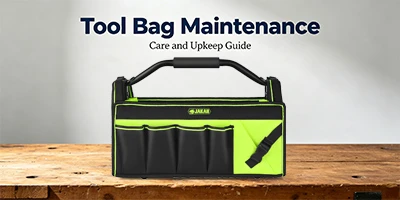
Industrial/Workshop Operations: In manufacturing workshops such as hardware processing, machinery repair, and electronic assembly, workers commonly use Oxford cloth tool kits to store wrenches, screwdrivers, measuring instruments, and other frequently used tools. Specialized models are selected for specific scenarios: flame-retardant models for welding workshops, corrosion-resistant models for electroplating workshops, and some upgraded models even have reflective strips to improve visibility in low-light environments.
Critical industries such as railways and power have begun using RFID smart tool kits, which can automatically inventory and track tools, preventing accidents caused by missing tools and significantly improving material management efficiency.
Home Routine Repair: Ordinary households typically have household tool kits/bags to store commonly used repair tools such as screwdrivers, wrenches, measuring tapes, and hammers, meeting needs for furniture assembly, small item repair, and routine maintenance.
Car Emergency Kits: Private cars are generally equipped with car tool kits to store tire-changing tools and emergency rescue equipment, in response to unexpected vehicle breakdowns on the road.
Other Professional Scenarios: Also covering specific scenarios such as medical care (medical tool kits), landscaping (landscape tool kits), outdoor travel (toiletries/makeup bags), and vocational training (training tool kits), with storage structures designed according to different needs.